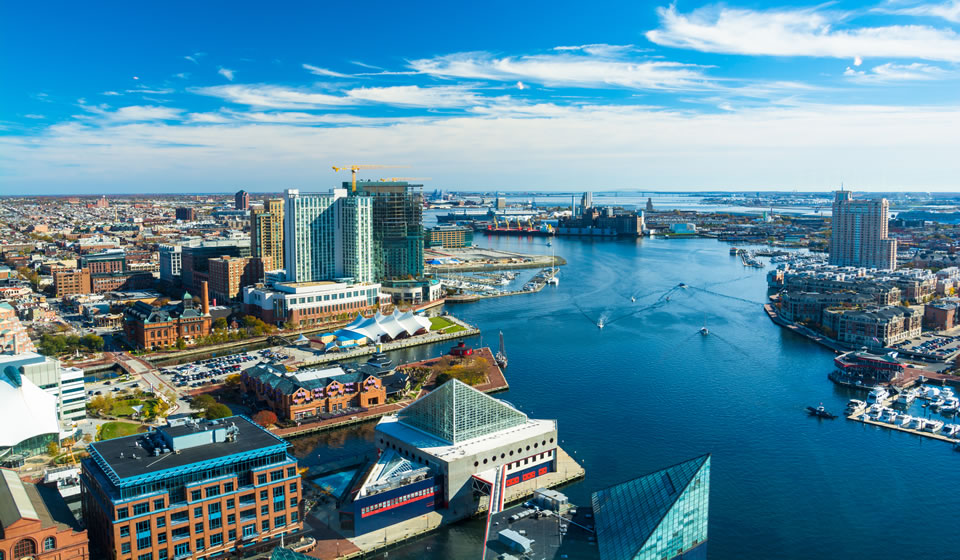
Building a Multireligious Democracy
Power Grids, not Fireworks
Building a multireligious democracy is the long-term, steady work of creating and sustaining social infrastructure. At ICJS, we believe this work looks less like fireworks—bright, brief, and attention-grabbing—and more like a power grid: durable, interconnected, and life-sustaining.
Just as a power grid requires vision, planning, and ongoing maintenance, so too does the work of weaving together a multireligious, multigenerational, and racially diverse network of communities, institutions, and leaders. This kind of infrastructure may not always make headlines, but it ensures that our common life is illuminated and strengthened every day. Our task is to commit to building and tending this interreligious power grid—patiently, faithfully, and together.
Our Multireligious Democracy is Under Threat
 ICJS is committed to building a multireligious democracy by fostering dialogue across differences while confronting the threat of Christian nationalism through research, education, and community engagement.
read more
The Urgency of Interreligious Pluralism
 A healthy democracy requires religious pluralism, where diverse communities embrace difference as a shared strength.
Read More
We Need More Religion-Talk to Safeguard our Democracy
 When communities embrace religion-talk, they cultivate a multireligious democracy where diverse beliefs strengthen civic life.
Read More
Events and Minicourses
Our courses and minicourses are building blocks in the foundation of a multireligious democracy. By bringing people together across faiths to study, question, and engage—whether exploring ethics, justice, power, or the role of religion in public life—these offerings strengthen relationships, deepen interreligious literacy, and help sustain the everyday work of creating a shared civic infrastructure.
Democracy Under Pressure: Faith, freedom, and the future of public life
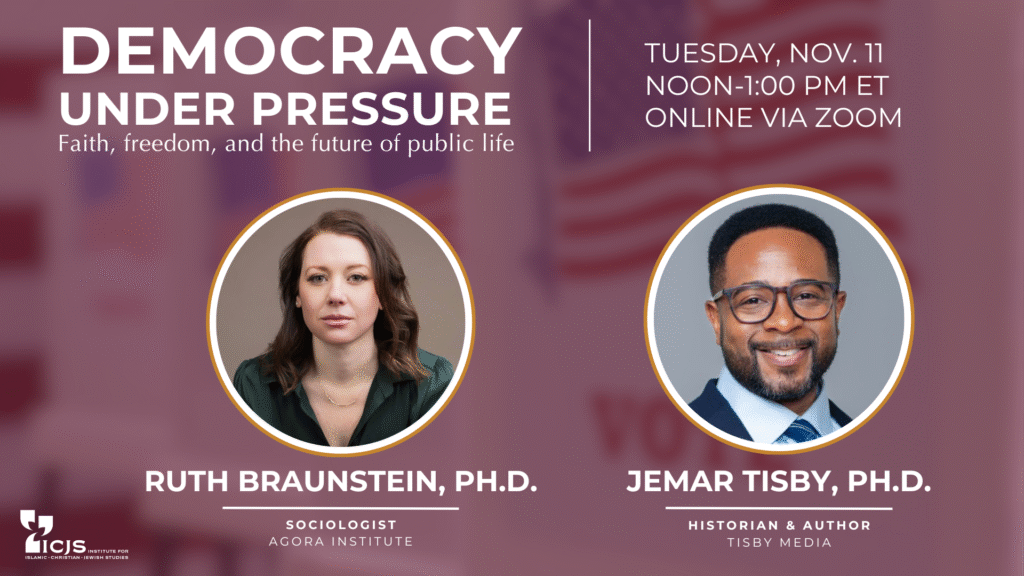
Since the 2024 election, questions of free speech, religious liberty, pluralism, and the rule of law have become increasingly urgent in U.S. public life. How do we navigate the social and political challenges of this moment, and what resources can religion, history, and sociology offer for sustaining a multireligious democratic society?
Watch Video
Now What? Debriefing the 2024 Election
 Journalist Sarah Posner and Amanda Tyler of Christians Against Christian Nationalism discuss the impacts of the 2024 election on pluralism and a multireligious democracy.
Watch Video