
As a religious studies teacher at an independent school in Baltimore County, for the last 13 years it has been my professional joy to discuss religion and faith with high school students. Through world religions and a series of religious studies electives, I have explored religious practices, ethics, faith, and purpose with my students. As both parents and teachers of adolescents can attest, we have both the joy and heartache at times of watching our students question authority, push boundaries, embrace their identities and begin a lifelong journey of finding themselves.
Over the last few months, I have found myself reflecting on the intersection of religion and student identity and I now have a greater appreciation for what that means for our students and the greater country—thanks largely to the work of ICJS. Being part of the Fellowship for Teachers has enriched me both personally and professionally in many ways.
Dialogue and religious identity
As a religious studies teacher professionally, I often engaged in conversations about religion daily with my students and school clergy. But these types of conversations were enhanced and deepened at ICJS, leading to incredibly meaningful discussions. In the fellowship I was paired with other teachers from diverse religious identities and professional backgrounds—some from public schools, others from private institutions. Despite our differences, we quickly discovered shared institutional challenges, common goals for our students, and a common belief that religious pluralism is essential for a healthy civil society.
One of the discussions at ICJS that continues to resonate involved the religious identity of our students. When schools or teachers think about the identity of their students, how often is religion or faith considered? In my experience, we tend to focus on gender, race, ethnicity, and sexual orientation. But what about religious identity? What do we miss as educators when we avoid conversations about religious experience, when faith can shape so much of who our students are? What are the long-term implications of avoiding those conversations for civil discourse and democracy?
That question came alive for me during the Ash Wednesday service at my school. When students came forward to receive ashes on their forehead in the sign of the cross, their religious identity suddenly became visible and undeniable. At that moment, faculty were suddenly aware that faith and religious experience play a significant role in our students’ lives. The same can be said for students wearing a star of David, or a hijab, but what about our students who have no visible religious symbols? Do we as educators consider that religion and faith may play a significant role in shaping who our students are, and does our curriculum provide meaningful space for our students to explore religious identity?
Through open dialogue around questions such as these, I’ve gained profound insights into my own teaching and begun conversations at my school about the intersection of curriculum and student religious identity.
From teacher to student once again
Another way the fellowship has impacted me professionally was through the learning that we did both in and out of the classroom. Having an opportunity to listen and engage with Christian, Jewish, and Muslim ICJS scholars was deeply meaningful. I would recommend the program just on those learning opportunities alone.
For example, hearing Muslim scholar Zeyneb Sayilgan, Ph.D., reflect on what it means when students encounter Islam in curriculum—but only through the lens of conflict or war—was very powerful. What are students missing when they don’t learn about Muslim values or the rich history of interreligious dialogue among Jews, Christians, and Muslims? The concept that there are most likely blind spots in our curriculum, or at least missed opportunities, is something that all educators need to reflect more on.
Another example was the discussion led by Executive Director and Roman Catholic scholar Heather Miller Rubens, Ph.D., on “Democracy, Teaching and Religion.” Her presentation helped me better understand the Supreme Court cases that have shaped the place of religion within the public sphere, and the tensions that lie between those who desire an overtly more religious society and those who desire a firm separation between church and state.
One of the things that I personally took away from these discussions is that both Christian nationalists and religious separatists are operating from a sense of loss, fear, and anxiety over the future of the nation. Although these two groups may never agree completely, we need to find a starting place of dialogue between them, and that is one of my strongest takeaways from the fellowship—where dialogue exists, so does hope for our democracy.
August 2026
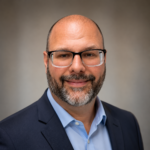 Jason Creeger is the ICJS program manager for teachers and schools. At the time of the fellowship, he taught at The St. Paul’s Schools, and he was a 2025-2026 ICJS Teachers Fellow. Learn more about the ICJS programs for teachers here.
Opinions expressed in blog posts by the ICJS Teacher Fellows are solely the author’s. ICJS welcomes a diversity of opinions and perspectives.
If you are an educator or know an educator in the Baltimore area who might be interested in learning with us, click here.
Like what you read? Subscribe to the ICJS newsletter for more.