As a campus minister at a Baltimore-area Catholic high school, I plan retreats and faith-based programming for students of varying faith backgrounds. The work of campus ministry is often done by telling stories. Lots of stories. In fact, I believe campus ministry is so effective because it is a community formed by simply sharing oneself with another. These experiences are only as impactful as they are relatable to our scholars, and I have found that our young adults relate when we open up and share our own story. Leading by example.
I believe it is the reason that a homily is given after the Gospel is read. In many Christian churches, there comes a point when the priest reads a passage from one of the four Gospels in the Bible—Matthew, Mark, Luke or John, which tells the story of Jesus. Directly following, the priest will paint a picture through a new story of what this Gospel means and how it relates to our own lives. We give meaning to what we teach by telling a story that people can relate to, connect with, and ultimately understand in a personal way.
It’s one thing to talk about God, how God can change our lives and give us meaning or fill us with goodness. It’s another thing entirely to share with students my own personal story with God and why I believe what I believe. They listen when it’s personal, because it’s real.
At the storytelling workshop with Jennifer Rudick Zunikoff, I realized how stories create community. I learned why campus ministry programs are so impactful for students like me, who were looking for a place to belong and to make sense of who they are and how their faith ties in.
During our workshop, my classmates used storytelling to describe a story in a new way through a different lens. I found it incredibly powerful. I realized that while we can use stories to relate to one another, we can also use stories to teach about something new or even something we might already be familiar with! I appreciated this especially because when reading the Bible with some of my peer ministers, students who signed up and applied to take part in faith development, I see their eyes glaze over and I lose their engagement.
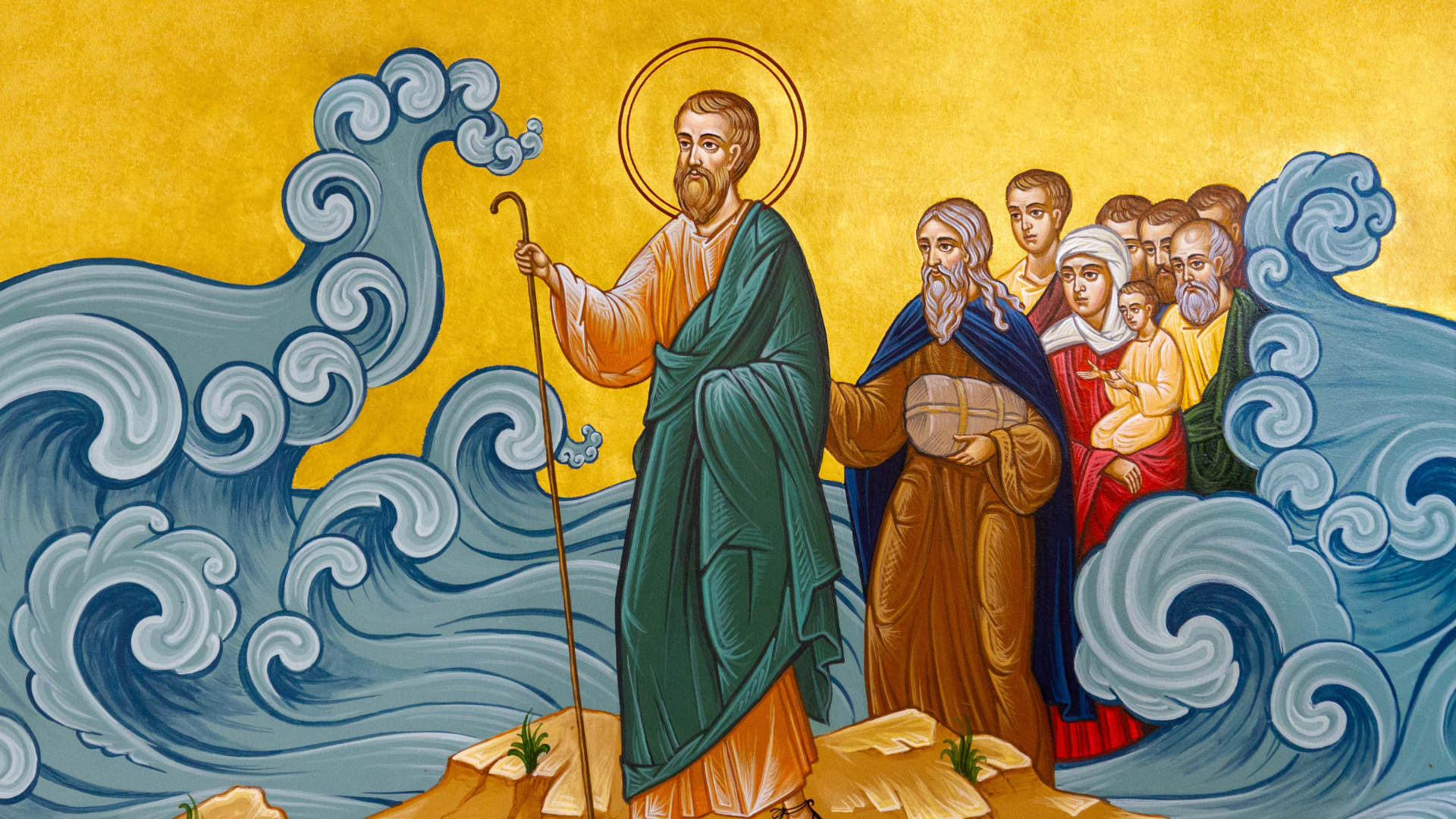
While storytelling is indeed impactful, when you are working with high school aged students, you are working against a very short attention span. Recently, I took the entire senior class on a retreat—it was mandatory so they did not sign up to be there—and I used this new found trick of storytelling to retell the story of Moses in a new light. I did not read directly from the passage. Instead, I rewrote the entire story as though I would tell an exciting story to a friend. The story of Moses is one our seniors would have all heard before since they take one religion course per year at our school. I held their attention for 10 minutes as I told this story, and I showed clips from the movie, The Prince of Egypt. Amazingly, I felt their presence in the room, which I was delighted by considering the emptiness I typically feel from students after a talk this long.
Storytelling works! I may have to get the timing right considering the audience, but I am ever learning new ways to relate to our scholars via stories, asking the right questions, and giving the right amount of space or activity to process and reflect. And if I can continue to hone this skill, both for myself as a professional engaging with students in faith-based programming, as well as for students who go on to lead our retreat experiences, I feel more confident that we can continue to build a thriving community at our school where our scholars truly feel they belong. A bonus, that because they feel they belong, we can start to open up to one another about who we are, who we hope to be, and how we may feel or not feel God moving in our lives.
 Ani Jamgochian Tarabishi taught at Cristo Rey during the fellowship. She now works at Everstand, a nonprofit that serves families and communities through programs and services. She was a 2022-2023 ICJS Teachers Fellow. Learn more about the ICJS programs for teachers here.
Opinions expressed in blog posts by the ICJS Teacher Fellows are solely the author’s. ICJS welcomes a diversity of opinions and perspectives.